ASCEPT awardees reflect on SMP2026

ASCEPT is proud to showcase the experiences of some of our 2025 award winners – Dr Varuni Premaratne, Dr Abhipree Sharma, and Dr Aili Langford – who attended Science Meets Parliament 2026, where they engaged with policymakers and strengthened their science communication and advocacy skills. Read below to hear their experiences.

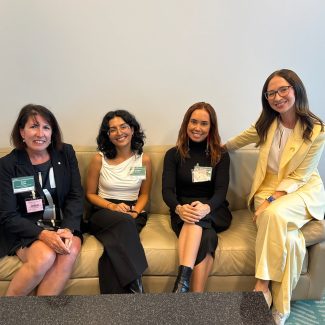
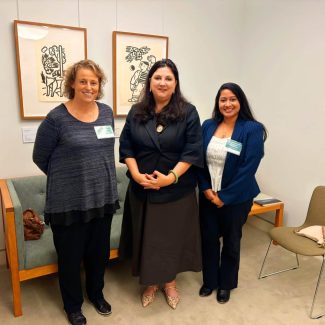
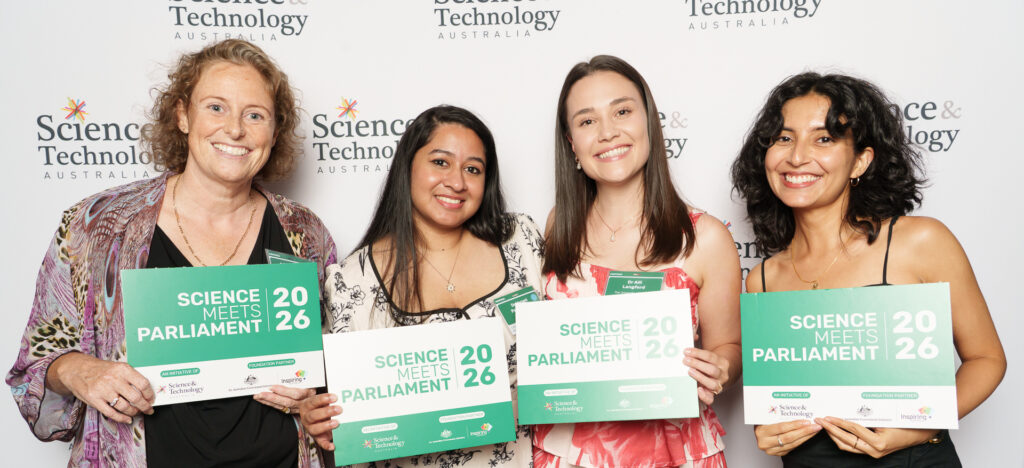
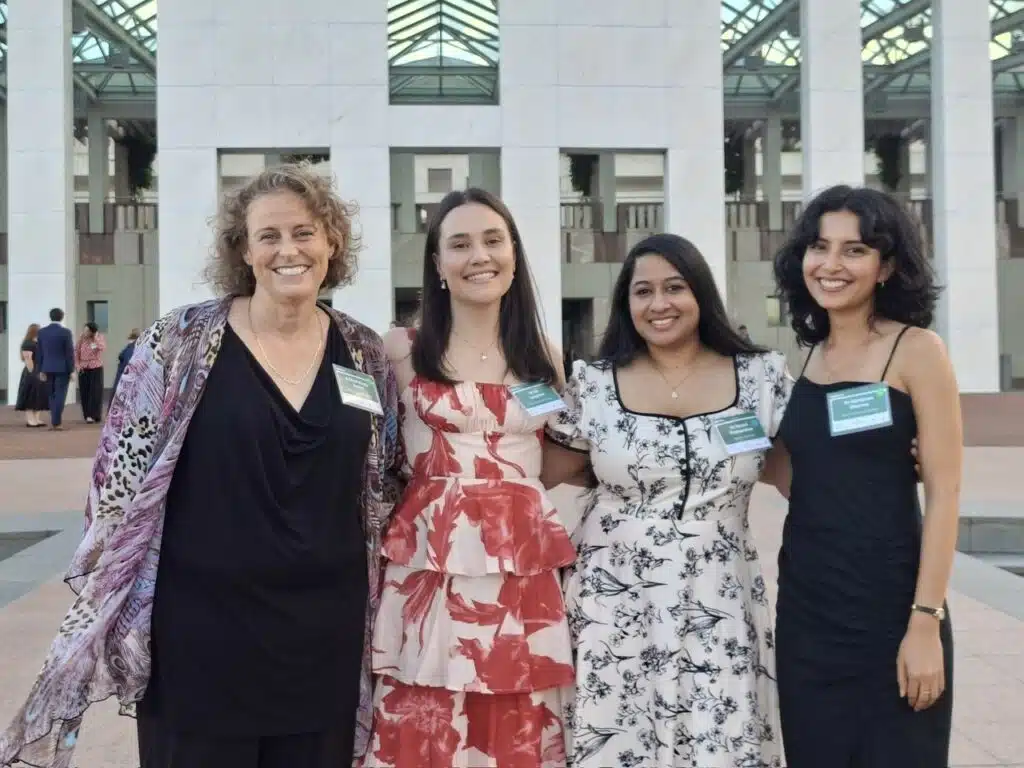
ASCEPT delegates (L-R) A/Prof Nicola Smith, Dr Varuni Premaratne, Dr Aili Langford and Dr Abhipree Sharma at the Science Meets Parliament Gala Dinner.

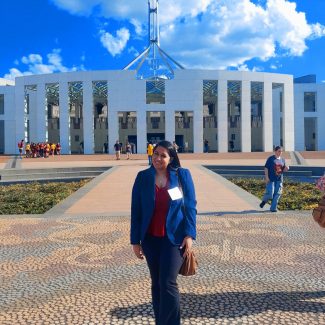
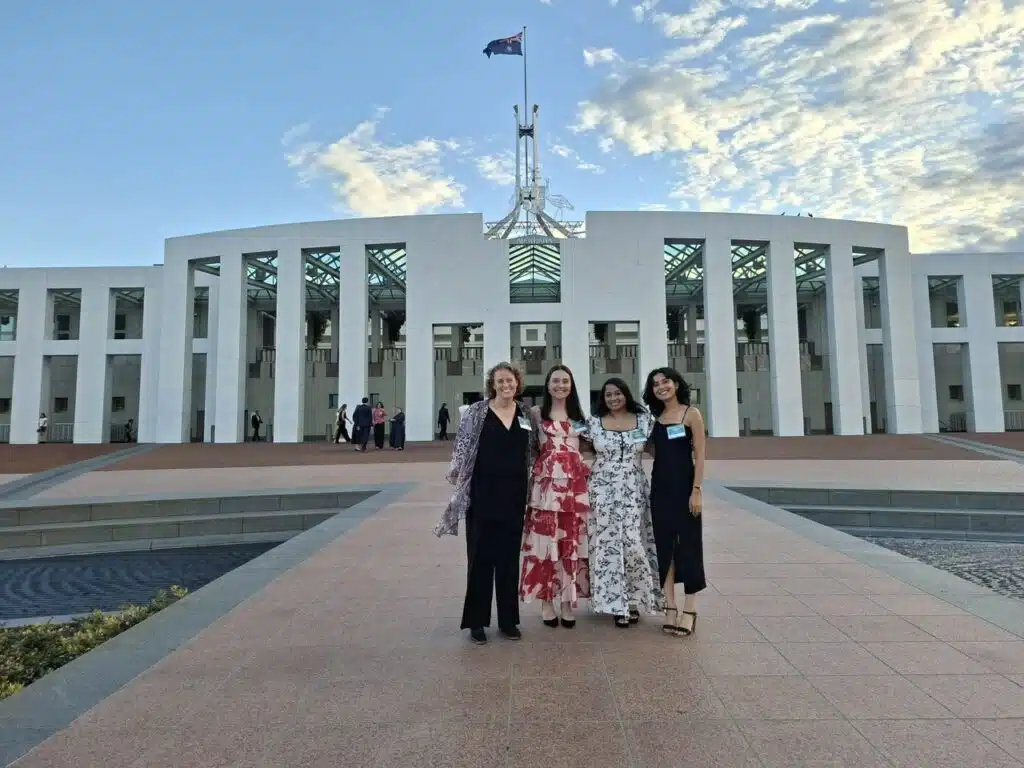
ASCEPT delegates (L-R) A/Prof Nicola Smith, Dr Aili Langford, Dr Varuni Premaratne and Dr Abhipree Sharma in front of Parliament House.

Dr Abhipree Sharma – BPS-ASCEPT Outstanding Young Investigator Prize winner 2025

Science Meets Parliament (SMP) is a one-of-a-kind event that brings participants from the STEM field together with federal parliamentarians and policy-makers over two jam-packed days. It also provides the exciting opportunity to meet and connect with researchers across multiple disciplines. My science communication skills were truly tested when engaging with attendees from the fields of climate science, marine biology, chemical engineering, and representatives from organisations such as Google. On a personal note, I was also very excited to attend SMP as a chance to visit and explore Parliament House for the first time!

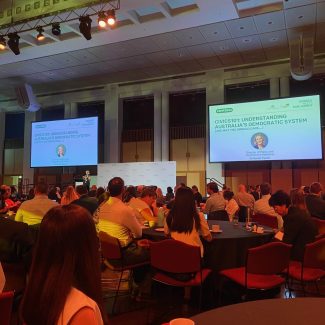
Across the two days, we were provided with practical and insightful advice on the many avenues through which we in STEM can influence policy change in Australia, and the tips and tricks of effective science communication to non-specialist audiences. The first day particularly focused on engagement with parliamentarians and the public sector, including a quick refresher on the Australian democratic system. We gained firsthand insights into the realities of fronting a parliamentary inquiry and learned about the responsibilities of policy advisors.

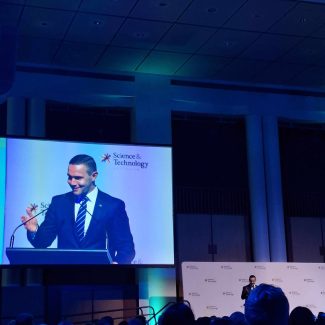
The second day shifted focus to the experiences of researchers and academics who had transitioned into policy-making roles and advocacy. Excitingly, we observed the impact of increased STEM engagement in parliamentary processes in real time through the release of the Ambitious Australia Report only a week before SMP, which outlines a framework for reforming Australia’s research, development and innovation system. The announcement of the newly established Science Meets the Economy Program further highlights the ongoing efforts to ensure meaningful translation of research into real-world and business contexts.

Of course, a standout of SMP was the opportunity to engage with parliamentarians, a rare and incredibly valuable experience at this stage of my career. I had the privilege of meeting Ms Jess Teesdale MP, the member for Bass, where I presented my research on developing more effective treatment approaches for heart failure. She kindly introduced me to the Assistant Minister for Health and Aged Care, the Hon Rebecca White MP, who expressed a strong interest in the development of personalised therapies for heart disease. Additional highlights of SMP include attending question time in the House of Representatives, seeing many familiar political figures in person, and attending the incredible Gala dinner.

I am immensely grateful to ASCEPT for the opportunity to attend this exceptional event, and to Nicola, Aili and Varuni, who were an absolute joy during this incredible experience.

Dr Varuni Premaratne – Garth McQueen Prize winner 2025

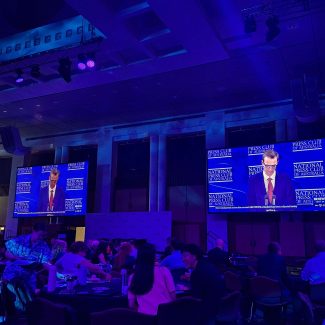
Two years ago, when I set foot on Australian soil, if someone had told me I would end up visiting the parliament and showcasing my research, I may have laughed. But here I am today, having had the privilege of attending Science Meets Parliament 2026 – a platform to meet parliamentarians and policymakers and share research to foster healthcare reform.

Over two days, I engaged in inspiring discussions about the importance of advocating for our research findings, ensuring they reach not only the scientific community but also boardrooms, to influence the economy and policy decisions. We also learned from policy advisors about the do’s and don’ts when approaching parliamentarians and how to effectively present oneself as an expert during inquiries.

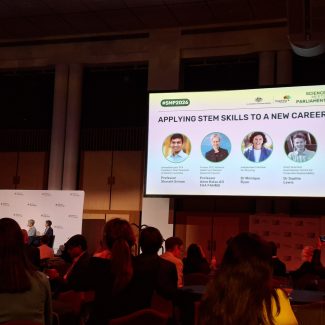
We discussed the significance of science communication in the media, heard from managers and experts in commerce on applying STEM skills to new careers, and explored ways to collaborate with different communities. Learning about the first Australian Indigenous-led grant for seagrass restoration and engaging with researchers across diverse fields such as climate change, marine ecology, and astrophysics broadened my horizons. These interactions also revealed the vastness of the scientific community and the profound impact we can make by increasing public awareness and influence in policy arenas.

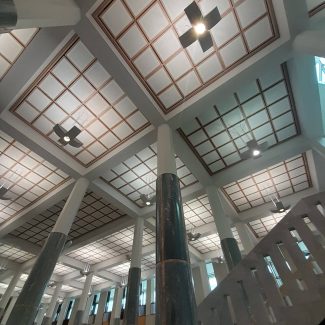
One of the main highlights of the program was getting to meet a parliamentarian. I was honored to speak with Dr Carina Garland, MP for Chisholm, where Monash University is located. I appreciated the opportunity to discuss our new plans for silicosis research and the innovative first-ever techniques being developed at the Bourke respiratory pharmacology lab. The eventful two days came to a wrap with exploring Parliament House’s history and architecture on a geology tour, meeting “Shawn the prawn” on tiles over 300 million years old and witnessing the meticulous detail invested in the building’s design.

As a higher-degree student and the recipient of the Garth McQueen Prize, the experience was truly invaluable. Nicola was an exceptional advocate throughout and sharing this journey with my fellow researchers, Aili and Abhipree, made it even more enriching. As Isaac Newton once said, “If I have seen further, it is by standing on the shoulders of giants.” I believe this sentiment extends beyond our scientific predecessors to those who guide and inspire us to pursue paths we may not have thought possible. As such, I am deeply grateful to ASCEPT for enabling my growth as a researcher and opening new avenues for recognition and impact.

Dr Aili Langford – Tony Smith Quality Use of Medicines Prize winner 2025

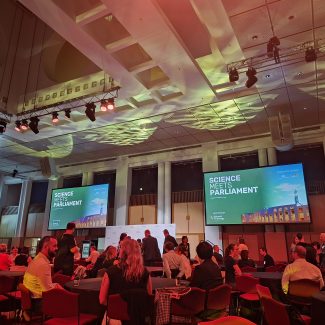
It was a pleasure to attend Science Meets Parliament as a recipient of ASCEPT’s Tony Smith Quality Use of Medicines Prize. Convened by Science & Technology Australia, the event brought together more than 400 participants from academia, government and industry, united by a shared goal of enhancing the visibility and understanding of STEM within Parliament and Australian Government Departments. While I had anticipated this would be an excellent opportunity to engage with other health and medical researchers, I also found myself connecting with scientists from a diverse range of disciplines, including climate, marine ecology and science communication. Learning about the breadth of impactful research being undertaken and the synergies across different fields, was a timely reminder that many challenges facing our society require cross disciplinary thinking and collaboration.

The two day program was jam packed, with preparations beginning before arrival, including pre work designed to prepare participants for meetings with Parliamentarians. My meeting with Senator Penny Allman Payne was a highlight of the visit, providing a valuable opportunity to present research on deprescribing in a policy relevant context. The meeting was necessarily brief as the Senator was called away to vote, but the ringing bells and flashing lights added to a tangible sense of being ‘in the room where it happens’. That feeling continued throughout the program, with relevant policy discussions underway in Parliament House, including legislation to establish the Australian Tertiary Education Commission (ATEC), as well as at the Gala Dinner, where familiar public figures were encountered across the dinner table rather than on a television screen.

The rain poured down as I drove out of Canberra – a signature farewell from the capital and a fitting conclusion to two energising days. The experience strengthened both my confidence and capacity to contribute to future policy conversations, while also creating space to reflect on broader issues facing the sector, such as the importance of public trust in science. I have not quite completed my assigned homework of reading the newly released Ambitious Australia report yet, but I look forward to delving into recommendations that intend to strengthen Australia’s research, development and innovation system in support of a more prosperous, healthier, safer and more equitable Australia.

I am grateful to ASCEPT for the opportunity to attend Science Meets Parliament, and for the chance to spend time with my fellow delegates, Nicola, Varuni and Abhipree, whose company made the experience all the more enjoyable.

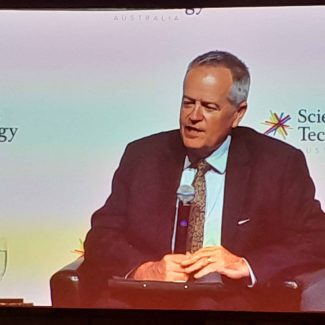
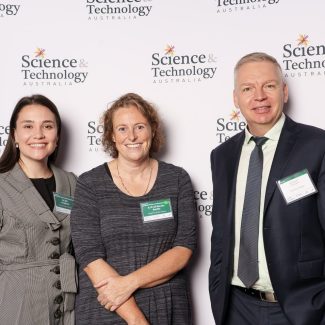
ASCEPT member and former STA President Professor Mark Hutchinson (right) with STA CEO Ryan Winn (centre) and STA Policy Chair Dr Kathy Nicholson (left).